BUSH SUMMIT: High taxes and red tape are crushing bush businesses, Hancock Agriculture farmer warns

Originally published by The Daily Telegraph.
10.07.2026
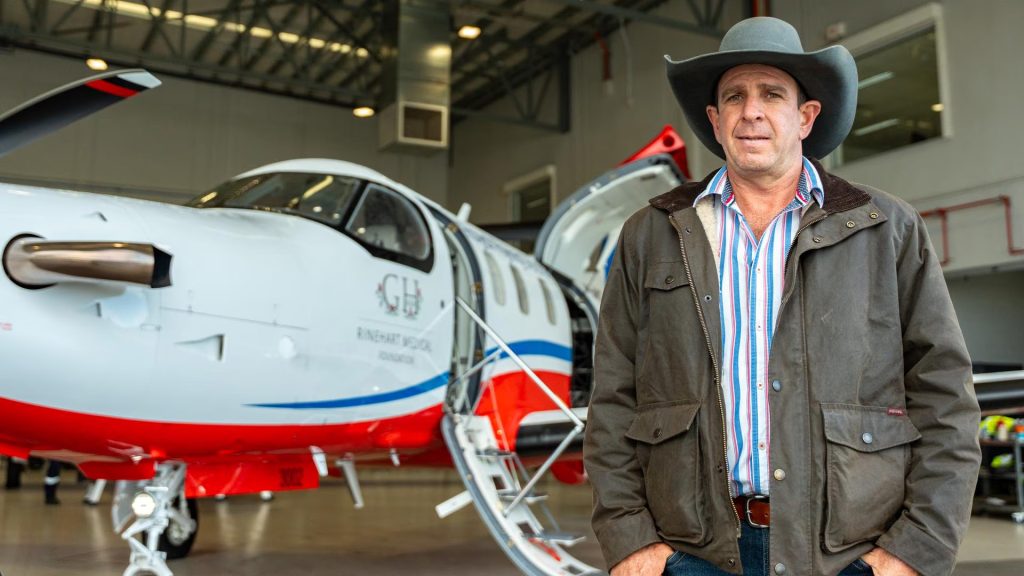
OPINION: Up in the North of WA, deep in the heart of the Kimberleys, the Fitzroy River in full flood is a force of nature. It can spread 50 kilometres wide, sending billions of litres roaring past Fossil Downs and Liveringa stations and straight out to sea.
Then, before you know it, the dry sets in. Insufficient water and feed mean stock that could have been carried through another year are lost instead. That’s the equivalent of 13 Sydney Harbours each year going to waste.
The water is there, but what is lacking is a commonsense approach informed by those who live and work on the land.
As in many other areas across this great nation, rules thought up in airconditioned city offices have unintended consequences for those working on the land.
This isn’t a specific call to drain the river or ignore its significant environmental and cultural values. It’s part of a much wider call for commonsense.
I help run Hancock Agriculture’s vast cattle operations across the Kimberley and the challenges we face every day go well beyond a single river plan. High taxes, soaring energy prices, overlapping regulations and layers of government tape strangle the entire region’s pastoral industry.
Due to fuel and power costs rising relentlessly, remote stations like ours and any local processing facilities pay through the nose just to keep pumps running and vehicles moving. Those bills hit fodder production and cattle finishing hardest, making it more expensive for everyday mums and dads to feed their families. Add to that ever-increasing freight and diesel costs, and for many operators the numbers stop making economic sense.
Then there are the tax and compliance burdens. Bush operators cop the lot while trying to make a decent living in one of the toughest environments on earth.
The concerns many farmers share in the Kimberley and elsewhere around Australia are not just confined to agribusiness. Many other industries are feeling the same pressures and small-and-medium-sized enterprises are getting smashed the hardest. When we look at the record rates of small business insolvency in recent years, it’s no wonder as to why towns like Broome, despite all their natural drawcards, suffer terribly from severely limited business diversity.
The once-great Aussie ideals of innovation, endeavour and risk have all been crushed under the heavy weight of government. Every project seems like an insurmountable regulatory marathon.
Local, state and federal rules cover the same ground but with separate paperwork, separate staff and, of course, separate fees. Environmental, planning and biosecurity approvals multiply because various departments across different levels of government conduct the same checks. A single development can drag on for years while costs mount and opportunities – and jobs – slip away.
If governments started reducing layers instead of adding them, those in the bush who want to make their local areas great again could be freed up to do just that.
High taxes, soaring energy prices and bureaucratic duplication achieve nothing for the country, or our cattle. They simply drive investment and jobs elsewhere, often overseas, all while we have everything we need to be one of the world’s self-sufficient superpowers.
Cut the tape and let us in the bush get on with feeding Australia.
Rick Ford is the General Manager Fossil Downs Station at Hancock Agriculture
